Damage Restoration Service
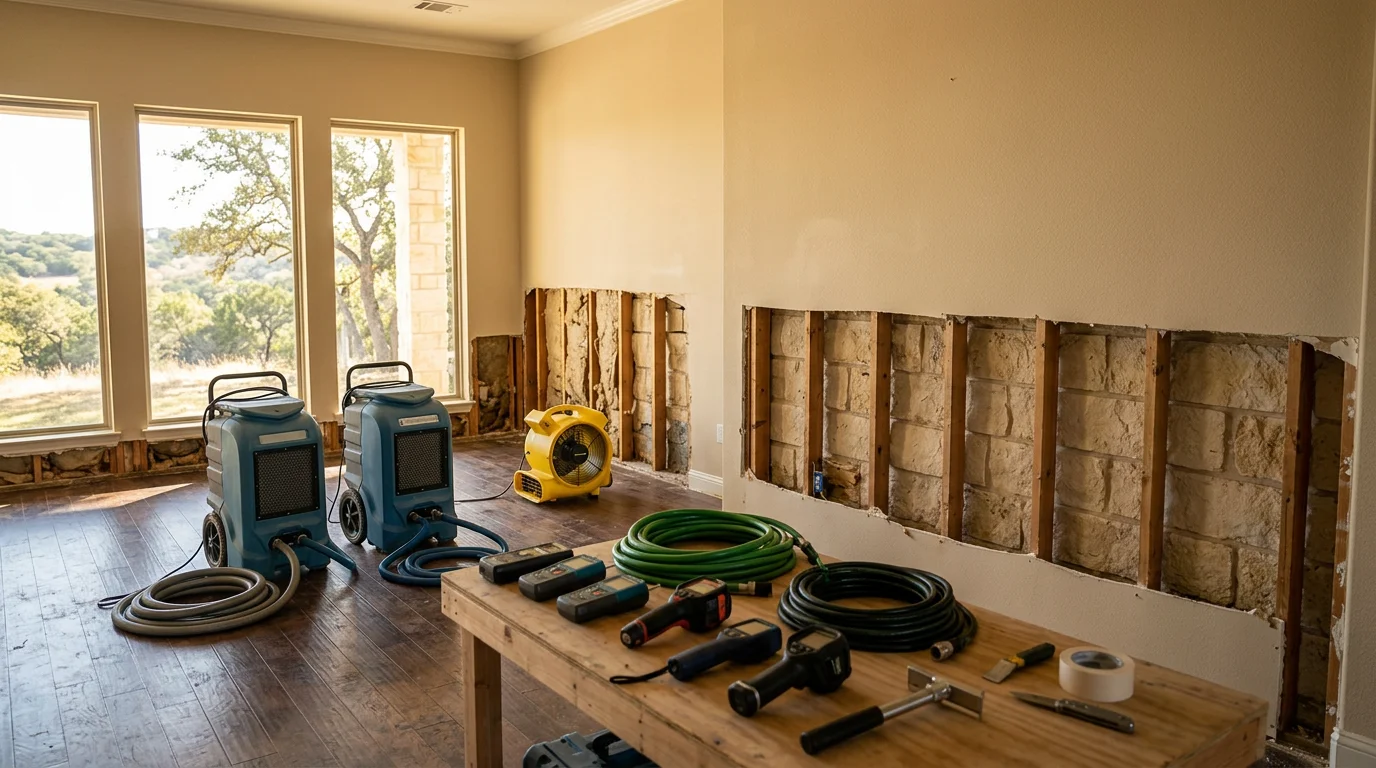
Emergency response and recovery services for water, fire, and storm damage across Central Texas.
Explore Damage Restoration Service
Austin sits at the eastern edge of the Texas Hill Country where the Balcones Escarpment channels storm systems and concentrates rainfall runoff. The city's clay-heavy soil expands rapidly when storms break a dry spell, generating pressure against slab-on-grade foundations and opening pathways for water intrusion that persist long after the rain stops. The housing stock runs from 1940s and 1950s bungalows in Hyde Park, Tarrytown, and Clarksville to large suburban tracts built in the 1990s and 2000s in Pflugerville, Round Rock, and Cedar Park, each era using different roofing materials with different failure patterns. Austin also sits in what storm meteorologists call Hail Alley, averaging multiple significant hail events per year, with some storms producing hailstones large enough to fracture standard asphalt shingles on contact.
Austin, TX
TX Service Area
Communities we serve
Austin, TX
Damage Restoration Service
Austin's older inner neighborhoods, including Hyde Park, Clarksville, and Zilker, carry housing stock from the 1940s through the 1960s. Roofs on these homes often have original or once-replaced decking, and when hail strips granules from aging shingles, the underlying felt degrades quickly in Austin's intense summer UV exposure. A roof inspection after a hail event on a 1950s bungalow requires checking the deck condition, not just the shingle surface.
The Balcones Escarpment creates rapid runoff when storms hit the Hill Country west of Austin. Water moves fast off the limestone terrain and overwhelms drainage in lower-lying neighborhoods. Homes in areas like Barton Hills and South Congress that sit near creek corridors face flash flooding risk that standard homeowners policies may not cover without a separate flood endorsement, a distinction that matters when documenting a claim.
Newer suburban construction in Cedar Park, Pflugerville, and Round Rock used builder-grade asphalt shingles installed during the growth boom of the 1990s and 2000s. Those roofs are now entering the age range where a serious hail event crosses from cosmetic damage into a full replacement claim. Documenting granule loss, impact bruising, and interior moisture intrusion together produces a complete claim file rather than a partial one.
At a glance
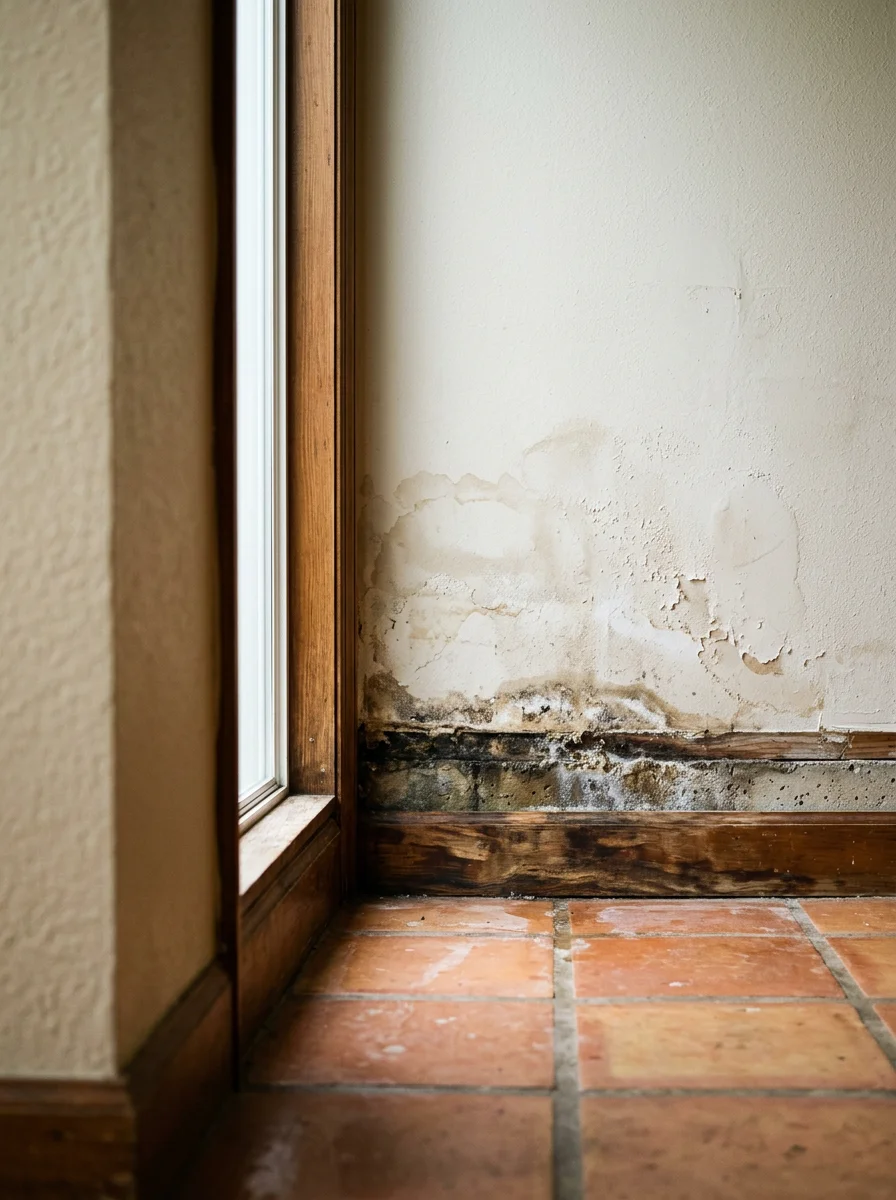
Water mitigation is the most urgent service after Austin's flash flood and heavy rain events, because clay soil keeps foundations wet and mold can establish in wall cavities within days. Roofing repair and replacement follow closely, as hail events strip granules from asphalt shingles and expose the underlying felt to UV degradation. Insurance claims in Austin frequently involve both roof and interior water damage in the same event, and pack-outs protect contents in older homes like those in Hyde Park and Zilker while structural drying and repairs proceed.
Emergency response and recovery services for water, fire, and storm damage across Central Texas.
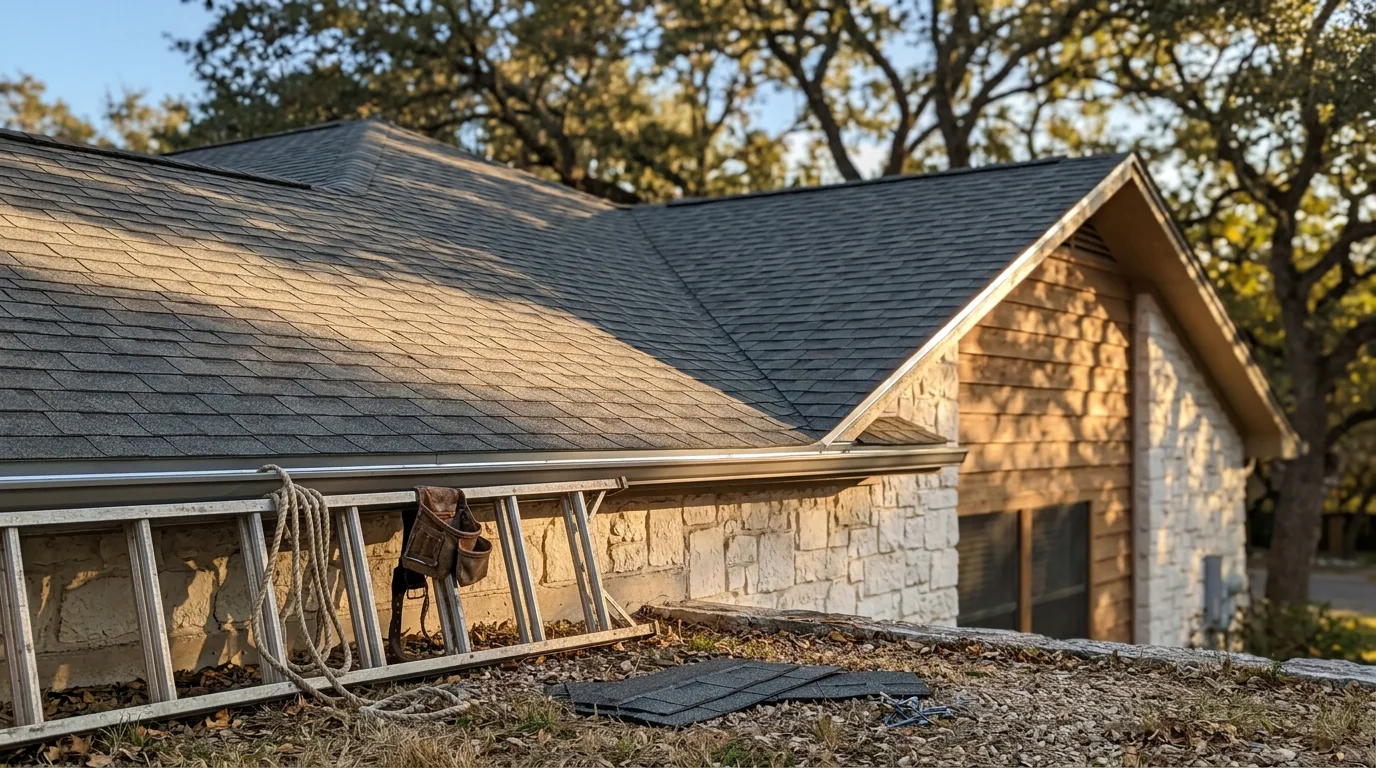
Roof repair, replacement, and inspection services for residential and commercial properties.
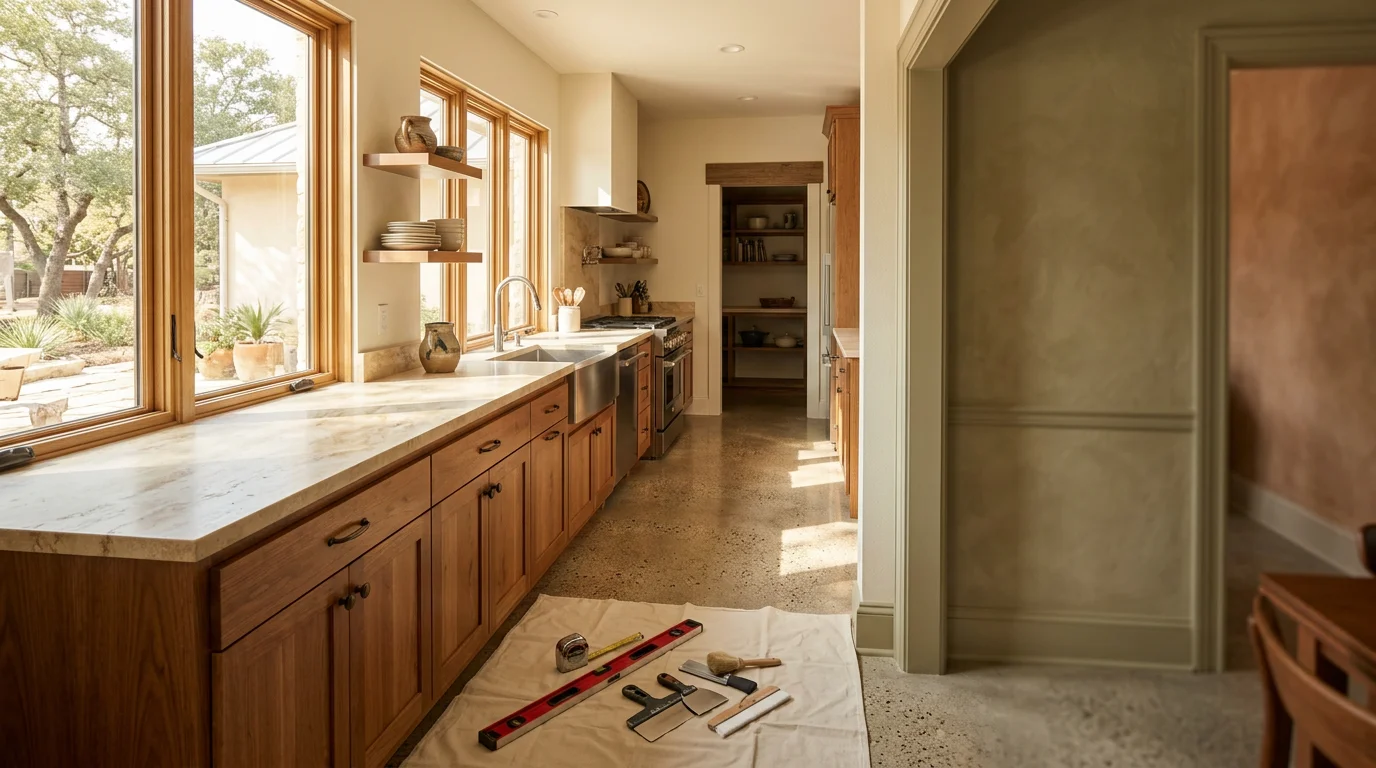
Full-scale house remodeling and renovation services for Central Texas homeowners.
Reviews are temporarily unavailable. Please check back soon.
Worked with us?
Leave a ReviewServing Austin, TX
Our crew knows Austin, TX. We will show up on time, assess the job honestly, and give you a clear written number before asking you to decide anything.
Also serving across Central Texas:
Common questions from Austin, TX customers about our services, process, and coverage.
Austin's high-clay soil stays saturated for days after heavy rain, holding moisture against slab foundations and allowing slow intrusion through existing cracks. The damage shows up as staining or dampness well after the storm ends, not immediately during it.
Yes. Homes built in the 1940s through 1960s in Hyde Park, Tarrytown, and Clarksville often have aging roof decking that has cycled through many seasons of heat and moisture. When hail hits, the impact can compromise both the shingles and the underlying deck in ways that newer construction typically does not experience.
A pack-out removes your furniture, clothing, documents, and other contents from the affected areas before drying equipment is placed and structural repairs begin. Items are inventoried, stored safely, and returned once the home is restored. This protects belongings from secondary damage during the mitigation process.
Not always. The decision depends on the age of the roof, the extent of granule loss, whether the deck is compromised, and the terms of your insurance policy. A thorough inspection that documents impact patterns and moisture readings gives you and your carrier an accurate picture before any decision is made.
Call us directly. Real answers, no scripts.
Stop by, call, or book online — we're always nearby when you need us.
Phone
(254) 716-6492Hours